Integrating the Happy 4th of July Paper Cut SVG Design into Your Creative Workflow
For creative professionals, small business owners, and hobbyist makers, the transition from a digital concept to a tangible product is often where the most value is created. In the context of seasonal crafting and event planning, having reliable, high-quality assets is not just a convenience—it is a necessity for maintaining efficiency and ensuring professional results. The Happy 4th of July Paper Cut SVG Design serves as a prime example of how a well-structured digital file can streamline the production of festive decor, greeting cards, and party favors. By understanding how this specific asset fits into a broader creative pipeline, users can maximize its utility while minimizing preparation time.
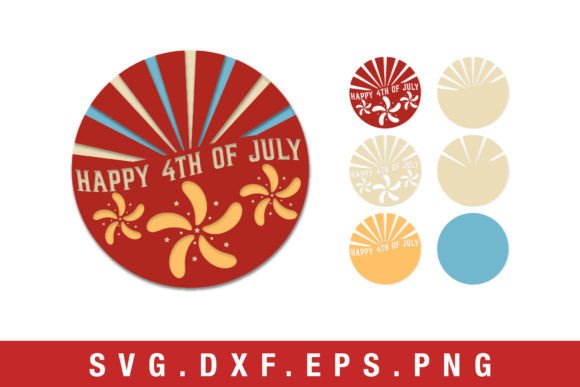
This design is more than a simple graphic; it is a engineered paper craft product that captures the essence of Independence Day through a layered, three-dimensional approach. At its core, the design features a stunning central font reading “Happy 4th of July,” surrounded by a dynamic 3D depiction of fireworks blasting outward. This visual complexity requires precise file formatting, which is why the underlying structure of the SVG is critical for successful execution. Whether you are a marketer looking to create branded holiday content, an educator preparing classroom decorations, or an entrepreneur selling handmade goods, integrating this design into your workflow requires an understanding of its technical specifications and practical applications.
Understanding the Asset Structure and Compatibility
Before initiating any cutting process, it is essential to evaluate the technical readiness of the digital file. The Happy 4th of July Paper Cut SVG Design is delivered in multiple formats—SVG, DXF, PNG, and EPS—to ensure compatibility across a wide range of software and hardware ecosystems. This versatility is crucial for users who may switch between different design platforms or cutting machines. For instance, SVG files are generally preferred for web-based design tools and modern cutting software like Cricut Design Space or Silhouette Studio, while DXF files are often necessary for older versions of cutting software or specific industrial plotters.
The design consists of six distinct layers, a factor that significantly influences both the aesthetic outcome and the assembly process. A six-layer structure allows for sufficient depth and shadow play, creating the illusion of three-dimensionality without becoming unmanageably complex during assembly. The resolution of 3600×3600 pixels ensures that even if rasterized elements are used for previewing or printing, the quality remains crisp and free of pixelation. When preparing your workspace, verify that your cutting machine—whether it is a Cricut, Silhouette Cameo, ScanNCut, or another major brand—is calibrated to handle multi-layer projects. Proper calibration ensures that each layer aligns perfectly with the next, which is vital for maintaining the integrity of the fireworks motif and the central typography.
Pre-Production Planning and Material Selection
Successful implementation of the Happy 4th of July Paper Cut SVG Design begins long before the blade touches the paper. Effective pre-production planning involves selecting materials that complement the design’s structural needs. Since this is a 3D paper craft, the weight and stiffness of the paper are paramount. Cardstock ranging from 65lb to 80lb is typically ideal, as it provides enough rigidity to hold the layered shape while remaining flexible enough for intricate cuts. Thinner papers may sag or fail to maintain the 3D effect, while excessively thick board may be difficult to layer without bulky adhesives.
Color theory also plays a significant role in the visual impact of the final piece. Traditional Independence Day palettes involve red, white, and blue, but the choice of shade can alter the mood of the design. Deep navy blues paired with bright whites and vibrant reds create a classic, patriotic feel, while metallic accents can add a touch of elegance for upscale events. When organizing your materials, consider pre-cutting backing boards or frames that will support the final assembled piece. This preparatory step ensures that once the cutting is complete, the assembly process is streamlined and efficient.
Execution: Cutting and Assembly Workflow
The execution phase is where digital precision meets physical craftsmanship. To create this design, follow a systematic approach that prioritizes accuracy and cleanliness. First, import the chosen template design into your cutting software. Ensure that the layers are correctly ordered and that any mirror settings are disabled unless you are using adhesive-backed vinyl or specific transfer methods. Set your machine’s pressure and speed settings according to the material thickness. It is often advisable to perform a test cut on a scrap piece of the same paper to verify that the intricate details of the fireworks and font are cut cleanly without tearing.
Once all six layers are cut, the assembly process begins. This stage requires patience and attention to detail. Start by laying out the layers in order, from the background to the foreground. Use a light box or a window to help align the layers if the paper is opaque. Apply adhesive sparingly; foam tape or double-sided adhesive dots are recommended for creating the necessary spacing between layers to achieve the 3D effect. Liquid glue can cause warping if applied too heavily, so use it only for flat connections where depth is not required. Stick all components together securely, ensuring that the central “Happy 4th of July” text remains the focal point.
Strategic Applications and Use Cases
The versatility of the Happy 4th of July Paper Cut SVG Design allows it to be integrated into various projects beyond simple home decor. For small business owners and entrepreneurs, this design can be scaled and adapted for product lines such as greeting cards, party invitations, and gift tags. The high-resolution files ensure that the design can be resized without loss of quality, allowing for customization based on customer needs. Marketers can utilize the PNG files for digital campaigns, social media graphics, and email newsletters, leveraging the festive imagery to engage audiences during the holiday season.
Educators and community organizers can use this design to create interactive learning materials or event decorations. The process of assembling the layers can be turned into a workshop activity, teaching participants about geometry, layering, and fine motor skills. For bloggers and content creators, documenting the creation process using this SVG provides engaging visual content for tutorials, behind-the-scenes posts, and DIY guides. By showcasing the transformation from digital file to physical art, creators can demonstrate their expertise and build trust with their audience.
Quality Control and Long-Term Value
Maintaining consistency and quality is essential when using digital assets repeatedly. Keep your original files organized in a dedicated folder, backed up in multiple locations. Note the specific settings used for cutting and assembly, such as blade depth, pressure, and adhesive types, to replicate successful results in future projects. This documentation saves time and reduces waste by eliminating the need for trial and error in subsequent productions. Additionally, respect the licensing terms associated with the Happy 4th of July Paper Cut SVG Design. As a digital download, the actual files may not be shared or resold in any form. Adhering to these guidelines protects intellectual property rights and ensures ethical use of creative resources.
In conclusion, the Happy 4th of July Paper Cut SVG Design is a valuable tool for anyone looking to enhance their holiday creations with professional-grade aesthetics. By understanding its technical specifications, planning materials carefully, and following a structured assembly process, users can produce stunning 3D paper crafts that capture the spirit of Independence Day. Whether used for personal enjoyment, commercial products, or educational purposes, this design offers a blend of artistic beauty and practical functionality that fits seamlessly into modern creative workflows.