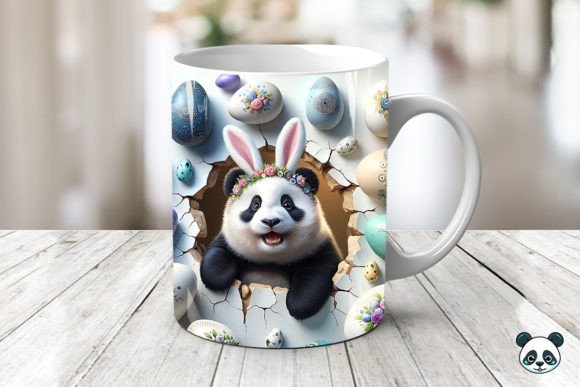
Mastering Sublimation with the Easter Baby Panda 3D Mug Wrap Design
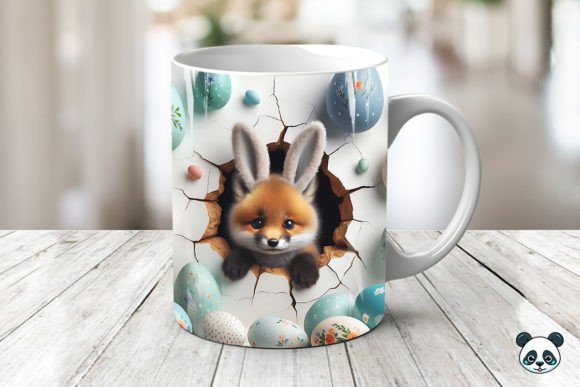
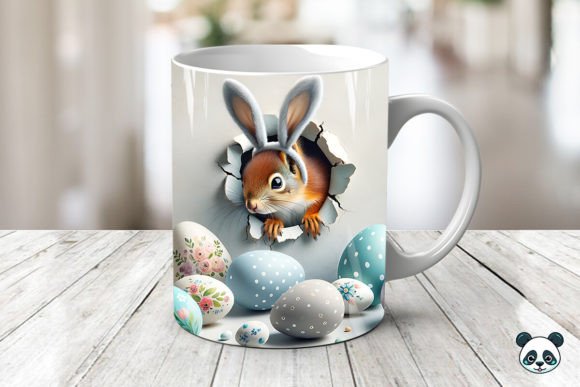
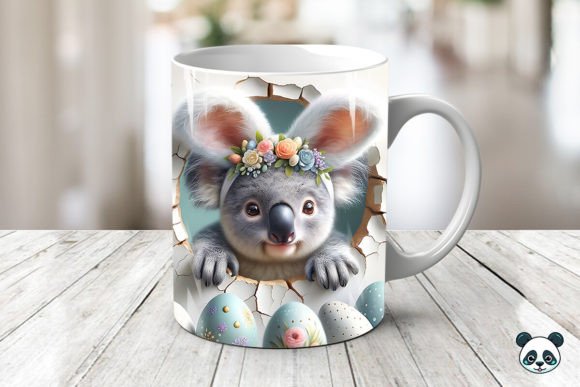
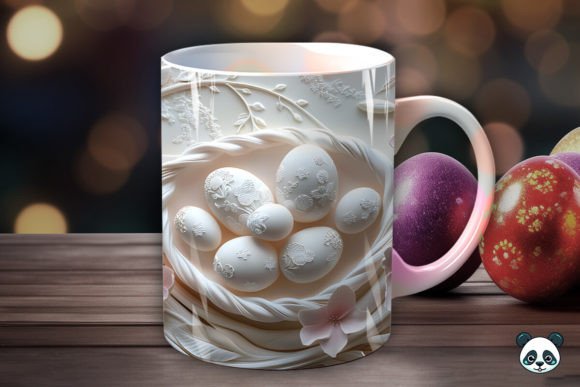
The intersection of seasonal creativity and digital fabrication has revolutionized how hobbyists and small business owners approach product customization. As the demand for unique, handcrafted gifts rises, particularly during major holidays like Easter, the role of high-quality digital assets becomes paramount. Among these assets, the Easter Baby Panda 3D Mug Wrap stands out as a sophisticated tool for creating immersive, three-dimensional effects on cylindrical surfaces. This design is not merely a static image; it is a calculated optical illusion engineered to transform a standard 20 oz skinny mug into a captivating piece of art that appears to pop off the surface.
Understanding the mechanics behind this specific type of sublimation design requires a shift in perspective from traditional flat printing. When creators utilize an Easter Baby Panda 3D Mug Wrap Background, they are engaging with a pre-rendered environment that accounts for the curvature of the mug. The "3D" aspect refers to the depth cues embedded within the watercolor textures and the seamless pattern alignment. These elements work together to trick the human eye, making the baby panda appear as though it is sitting inside or emerging from the mug, rather than simply being printed on the outside. This level of visual engagement is what separates amateur attempts from professional-grade sublimation products.
The Technical Architecture of 3D Sublimation Designs
To fully appreciate the utility of the Easter Baby Panda 3D Mug Wrap, one must understand the technical specifications that drive its success. The design provided in the instant digital download is optimized for high-resolution output, specifically at 300 DPI (dots per inch). In the world of sublimation printing, resolution is non-negotiable. A lower resolution would result in pixelation, which breaks the immersion of the 3D effect and degrades the perceived quality of the final product. The file dimensions, typically around 9.75 inches by 4.75 inches, are calibrated to fit the printable area of a 20 oz skinny mug perfectly, ensuring that the seamless pattern aligns without visible gaps or awkward cuts.
The concept of a seamless pattern is critical here. Unlike a standard graphic that has a defined start and end, a seamless pattern is designed so that the left edge matches the right edge perfectly when wrapped around a cylinder. For the Easter Baby Panda design, this means the watercolor background flows continuously, creating an unbroken horizon line that enhances the illusion of depth. When the mug is rotated, the viewer does not encounter a jarring seam; instead, the narrative of the design continues uninterrupted. This continuity is essential for maintaining the integrity of the 3D illusion, as any break in the pattern can instantly reveal the flat nature of the substrate.
Furthermore, the file format plays a significant role in the workflow. The inclusion of PNG files ensures that the design retains its transparency and color fidelity. PNG is a lossless format, meaning that the intricate details of the watercolor textures and the soft gradients of the Easter background are preserved without the compression artifacts often found in JPEGs. For professionals using software like Adobe Photoshop, Illustrator, or specialized sublimation tools, having access to a high-quality PNG allows for easier manipulation, layering, and color correction before the final print.
Applications Across Professional and Hobbyist Sectors
The versatility of the Easter Baby Panda 3D Mug Wrap extends far beyond simple gift-giving. For small business owners and Etsy sellers, this digital asset represents a low-overhead, high-margin opportunity. By purchasing an instant digital download, entrepreneurs eliminate the need for hiring graphic designers or investing hours in creating complex 3D renders from scratch. They can immediately integrate the design into their production workflow, sublimate it onto blanks, and list the finished physical product for sale. The speed of deployment allows businesses to capitalize on the short, intense sales window of the Easter season.
Educators and workshop leaders in the crafting community also find immense value in these templates. Teaching the nuances of sublimation often involves demonstrating how to handle different mug sizes and shapes. The 20 oz Skinny Mug Template included with the design serves as an excellent case study for students learning about distortion and wrap alignment. Because the design already incorporates the necessary curvature adjustments, instructors can focus on teaching the physics of heat pressing, the chemistry of sublimation ink, and the importance of pressure and time, rather than getting bogged down in complex graphic design theory.
For researchers and trend analysts in the consumer goods sector, the popularity of such designs offers insight into current market preferences. The convergence of "cute" aesthetics (baby pandas) with advanced visual techniques (3D effects) indicates a consumer desire for products that offer both emotional resonance and visual novelty. The use of watercolor styles suggests a lingering preference for organic, hand-painted looks even in digitally manufactured goods. Observing how these Sublimation Designs perform in the marketplace can inform broader strategies for product development in the home decor and gift industries.
Workflow Integration and Practical Implementation
Implementing the Easter Baby Panda 3D Mug Wrap into a production line requires a systematic approach to ensure consistency and quality. The process begins with the acquisition of the ZIP file, which contains the necessary PNG assets. Upon extraction, the creator must verify the dimensions against their specific mug blank. While the design is optimized for a 20 oz skinny mug, slight variations in manufacturer specifications may require minor scaling adjustments in the editing software. It is crucial to maintain the aspect ratio during this process to prevent the 3D effect from looking stretched or compressed.
Once the design is prepared, the printing phase demands attention to color management. Sublimation printers often require specific ICC profiles to ensure that the colors on the screen match the colors on the paper. The vibrant greens of the Easter grass and the soft pastels of the watercolor background must be reproduced accurately to maintain the design's charm. After printing, the image is trimmed according to the template guidelines. Precision in trimming is vital; cutting too close to the edge might result in white borders on the final mug, while cutting too far away can lead to overlapping seams that disrupt the pattern.
The heat pressing stage is where the magic happens. Using a convection oven or a dedicated skinny mug press, the transfer paper is wrapped tightly around the mug. The tension must be even to prevent ghosting or blurring. The temperature and time settings should adhere to the recommendations of the sublimation ink and paper manufacturer, typically ranging between 380°F to 400°F for several minutes. During this phase, the solid ink on the paper turns into a gas and permeates the polymer coating of the mug, becoming a permanent part of the surface. The result is a durable, dishwasher-safe product that showcases the 3D Mug Wrap effect with stunning clarity.
Advantages of Digital Downloads in the Creator Economy
The shift towards digital downloads for sublimation projects offers distinct advantages over traditional supply chains. For the consumer or creator, the immediacy of access cannot be overstated. There is no shipping wait time; once the transaction is complete, the files are available for instant use. This agility allows for rapid prototyping and last-minute project fulfillment. If a business owner realizes they are low on Easter inventory, they can purchase and produce new stock within hours, responding dynamically to market demand.
Moreover, digital files reduce physical waste. Unlike purchasing physical stickers or pre-printed wraps that may not fit perfectly or may arrive damaged, digital files are infinite and immutable. A creator can print the Easter Baby Panda 3D Mug Wrap as many times as needed, experimenting with different mug coatings or paper types without the fear of running out of stock. This sustainability aspect appeals to environmentally conscious consumers and businesses looking to minimize their carbon footprint.
From a financial perspective, the cost-effectiveness of digital templates is unparalleled. The initial investment in a high-quality design is a fraction of the cost of custom commissioning artwork. This democratization of design tools levels the playing field, allowing independent hobbyists to compete with larger manufacturers in terms of product aesthetics. The ability to produce professional-looking 3D backgrounds and seamless patterns without advanced artistic skills empowers a wider range of individuals to participate in the maker economy.
Considerations for Quality and Longevity
While the Easter Baby Panda 3D Mug Wrap provides a robust foundation for creating beautiful mugs, the longevity and quality of the final product depend heavily on the materials used. Not all mug blanks are created equal. To achieve the vibrant colors and sharp details inherent in the 3D design, the mug must have a high-quality polymer coating specifically designed for sublimation. Cheap or poorly coated mugs may result in dull colors, fading, or peeling over time, which would undermine the effort put into selecting a premium design.
Additionally, the care instructions provided to the end-user are crucial. Although sublimated images are generally durable and resistant to fading, excessive exposure to harsh detergents or abrasive scrubbing can eventually degrade the finish. Educating customers on proper care—such as hand washing or using the top rack of a dishwasher—ensures that the 3D Easter imagery remains vivid for years. This attention to post-purchase education builds trust and enhances the reputation of the creator or seller.
It is also important to acknowledge the limitations of the medium. While the 3D effect is visually striking, it is ultimately a two-dimensional print on a curved surface. The illusion works best when viewed from certain angles. Creators should manage expectations by showcasing the product from multiple viewpoints in their marketing materials, highlighting how the seamless pattern contributes to the overall effect while being transparent about the nature of the print.
The Evolution of Seasonal Design Trends
The emergence of designs like the Easter Baby Panda 3D Mug Wrap signals a broader evolution in seasonal merchandise. Consumers are increasingly seeking products that tell a story or evoke a specific atmosphere, rather than generic holiday symbols. The integration of characters, such as the baby panda, into naturalistic watercolor settings creates a narrative context that resonates emotionally. This trend towards "scene-based" design is likely to continue, driving demand for more complex and immersive sublimation designs in the future.
Technology continues to push the boundaries of what is possible in digital printing. As software tools become more accessible and hardware more precise, we can expect to see even more sophisticated 3D illusions and interactive elements in mug wraps. The current standard of 300 DPI and seamless patterning may soon be supplemented by augmented reality features or texture-mapping techniques that add tactile dimensions to the visual experience. For now, however, the Easter Baby Panda 3D Mug Wrap represents the pinnacle of accessible, high-impact sublimation art.
In conclusion, the fusion of artistic vision and technical precision found in modern sublimation templates offers unprecedented opportunities for creators across various sectors. Whether utilized by a professional manufacturer scaling up for the holiday rush, an educator demonstrating digital fabrication principles, or a hobbyist crafting a personalized gift, the Easter Baby Panda 3D Mug Wrap exemplifies the potential of digital assets to enhance physical products. By understanding the intricacies of the design, the workflow, and the material requirements, users can maximize the value of these digital downloads, producing items that delight and engage audiences worldwide.